
In September 2025, a Peterborough City Council press release said that over the previous 13 years, their debt balance had increased from £143 million to £527 million (“Data has indicated that local authorities across the UK jointly owe £148.5bn or more.” localgov.co.uk)
Debt levels are now the highest they have been in the city’s history, with servicing costs of nearly £40 million annually. This, they say was caused by the council’s dwindling resources and rising demand in areas such as school place planning. The report also says that historic debt is being reduced at an average rate of £20 million per year, which means it will take a lot, lot longer to pay off that it took to borrow it. That is money that would otherwise be going to public services, so if you are wondering why the streets are dirty, potholes are not being filled, and litter is building up, this is one of the reasons why.
This also covered costs that Peterborough City Council might have preferred to keep out of the spotlight:
- Over £3 million spent on a proposed solar farm at Borough Fen, Newborough, and Morris Fen that was then cancelled.
“Peterborough City Council Expenditure on consultation has been less than £10,000, or 5.6% of total spend, and in particular the treatment of the farmers has been shoddy and high handed. In contrast, more than £440,000 has been spent on planning fees; £125,000 on financial modelling advice from Deloitte; £150,000 on legal fees, mainly to City lawyers Pinsent Masons; and an astonishing £951,000—almost twice the original budget—for technical consultants AECOM. Industry experts have stated privately that they have never seen such inflated expenditure for work on which there has been so little demonstrable progress.” Parlimatray debate, renewable Energy (Peterborough) - £23 million lent to Empower who went bust
“We believe there have been significant weaknesses in the governance arrangements with Empower Community Management LLP during the 2020/2021 financial year which has exposed the authority to financial loss.” Peterborough council ‘exposed itself to loss’ from £23m solar panel loan, auditors conclude - £17 million lent to the developers of the Hilton Hotel that went bust
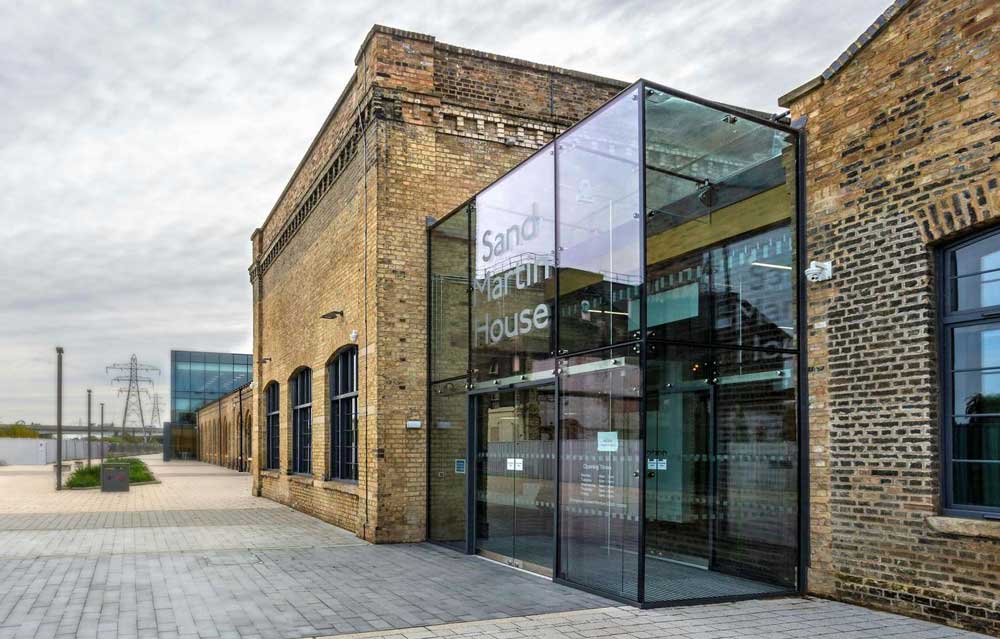
In March 2023, then-Peterborough City Council leader Cllr Wayne Fitzgerald stated that the £15m loan for the Fletton Quays Hilton hotel was “safe” and that the council was making a commercial return. Another Cllr, Andy Coles stressed that the loan was fully secured. Peterborough City Council faces an expected £9–13 million loss on Fletton Quays Hotel collapse - £47 million to purchase Sand Martin House, Peterborough City Councils HQ.
This was after moving out of their previous HQ Bayard Place which was then sold for £5.95 million. If the £47 million was borrowed from the PWLB with 5.5% interest, that would be around £2,585,000 per year in interest, and that’s before paying back any of the loan! Legal & General had previously purchased the site in October 2016 for £5,500,500 plus VAT.
On top of this is the story that £4.1 million was spent by Peterborough City Council purchasing the former TKMaxx building in Peterborough city centre which was then sold for half that following the failed “Vine” cultural hub project.
Taken together, these decisions leave a lasting legacy that will shape Peterborough for decades. What should have been long-term investment in the city’s future has instead become a mounting financial burden, with hundreds of millions in debt constraining future budgets. Even as repayments continue, the reality is clear: residents will bear the consequences for a generation through reduced services, neglected infrastructure, and fewer opportunities for meaningful local investment. The key question remains: has the council truly learned from this?
Concerns about financial management are not limited to Peterborough. Nationally, the number of council employees earning over £100,000 has risen sharply over the past two decades, increasing from around 500 to more than 4,700. In just the past year alone, this figure has increased by a further 21 percent*. As services are scaled back, critics argue that councils have been slower to examine costs within their own senior ranks.
Nationally, the number of council employees earning over £100,000 has risen sharply over the past two decades, increasing from around 500 to more than 4,700.
As Ann Strickland, a researcher at the TaxPayers’ Alliance, noted in April 2026:
“Over the course of the last 20 years, the number of council employees receiving over £100,000 has increased eightfold. Councils keep scaling back the services they provide, but they do not look inside their own budget.”
According to the TaxPayers’ Alliance Rich List 2026, Peterborough City Council employs 22 staff earning over £100,000. These figures have attracted little public scrutiny or media attention. When you add on-costs such as pension contributions to the earnings of the CEO of Peterborough City Council, the total cost is over quarter of a million.
Alongside the financial impact, there remains a persistent concern about accountability. Highly paid senior officers involved in major decisions often face limited visible consequences or scrutiny, despite the scale of losses or failed projects. Long after the headlines fade, it is ordinary residents who continue to pay the price, while those responsible move on or retire with substantial pensions, leaving the community to shoulder the long-term cost of past missteps.
These increasing costs of actually managing the local authority combined with the mountain of debt do not fill you with confidence that anything is going to change in the future, despite what politicians may say.
The video below shows why some local authorities have got into the state they have. Peterborough gets a mention…
And it you think that’s bad, check out this video.